Restaurant Style Filet Mignon
Highlighted under: Classic Comfort Recipes
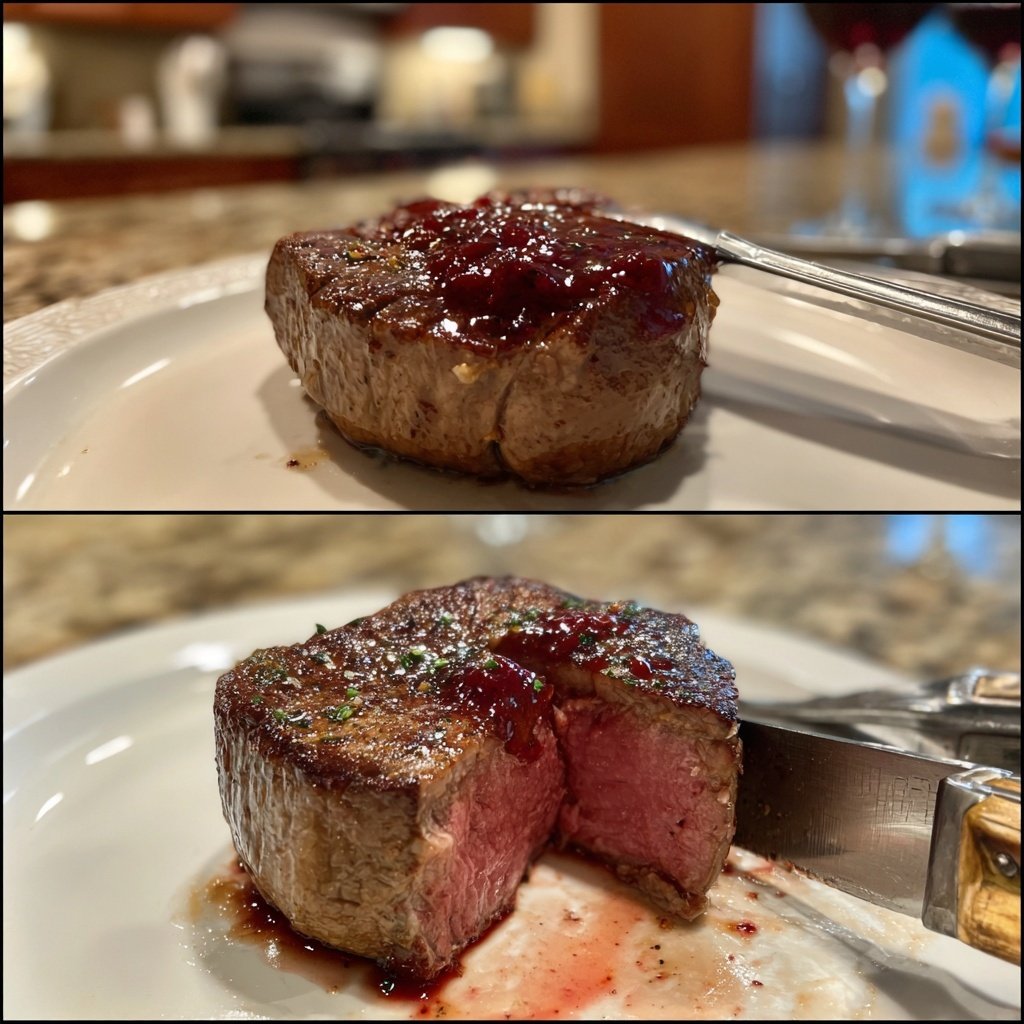
I absolutely love indulging in a perfectly cooked filet mignon. The rich, tender meat melts in my mouth, elevating any dining experience right in the comfort of my home. Cooking this restaurant-style filet mignon is all about precision and timing, and I find it incredibly rewarding to impress my guests with such a luxurious dish. With just a handful of quality ingredients and a little patience, I can create a meal that feels like a special occasion without the hefty price tag of dining out.
When I first attempted to make filet mignon at home, I was intimidated by its reputation. However, I quickly learned that the key lies in the simplicity of the preparation. Using a hot cast-iron skillet allows the steaks to sear beautifully, locking in the juices and flavor. A great tip is to let the meat rest after cooking, which helps achieve that juicy texture we all crave.
One evening, I decided to surprise my partner with a candlelit dinner, and this dish stole the show. Pairing it with homemade garlic mashed potatoes and steamed asparagus created a perfect harmony of flavors and textures. Every bite of this tender, flavor-packed filet mignon made that night unforgettable!
Why You'll Love This Recipe
- Juicy and tender texture that melts in your mouth
- Elevates any dinner from ordinary to extraordinary
- Impressive enough for a special occasion at home
Mastering the Perfect Sear
Searing the filet mignon is crucial for developing that rich, caramelized crust that enhances both texture and flavor. Start with a cast-iron skillet, which retains heat better than other cookware. When you heat the olive oil, look for it to shimmer—this indicates that the oil is hot enough to create a proper sear. If the oil isn't hot enough, the steaks will stick to the pan, and you won't achieve that coveted golden crust. Aim for a heat level that allows the meat to sizzle immediately upon contact.
During searing, avoid overcrowding the skillet. If you’re cooking more than two steaks, do it in batches to prevent steaming, which can happen when the meat is too close together. A good rule of thumb is to leave at least an inch of space between each steak. Pay attention to the time you sear each side; for medium-rare, a total of 8-10 minutes is ideal, adjusting according to your preferred doneness. Using a meat thermometer can help—look for an internal temperature of 130°F for medium-rare.
Using Aromatics for Enhanced Flavor
Incorporating aromatics like garlic and rosemary in the final moments of cooking adds layers of flavor that make this filet mignon truly special. When you add these ingredients towards the end, the garlic will soften and infuse the butter with its rich essence, which you’ll then use for basting. The key is to add them when the steaks are almost done cooking; this prevents the garlic from burning, which can turn bitter and overpower the dish. Instead, look for the garlic to become golden and fragrant.
Basting with the aromatic butter not only enhances flavor but also keeps the meat moist. Tilt the pan slightly to gather the melted butter on one side, then use a spoon to drizzle the buttery mixture over the steaks. This technique requires just a minute or two, so focus on multitasking during the last moments of cooking. The result will be a beautifully flavorful crust combined with the juicy tenderness of the filet mignon.
Resting: The Key to Juiciness
Resting the meat after cooking is one of the most important steps often overlooked. Allowing my filet mignon to rest for at least five minutes before slicing gives the juices time to redistribute throughout the steak, ensuring that each bite is as juicy as possible. If you slice immediately, the juices will spill out onto the plate, making the steak dryer than it needs to be. This resting process allows the fibers in the meat to relax, creating that melt-in-your-mouth experience.
For serving, consider pairing your filet mignon with simple sides that won’t overpower its luxurious flavor. Sautéed vegetables or a classic baked potato are excellent choices, but don’t forget about sauces—a drizzle of red wine reduction or a compound butter can elevate the dish even further. If you're planning a larger meal, these steaks can easily be kept warm in a low oven (around 175°F) while you finish preparing the rest of your menu.
Ingredients
Gather these ingredients before you start cooking:
Ingredients for Filet Mignon
- 4 filet mignon steaks (6 oz each)
- 2 tablespoons olive oil
- Salt and black pepper to taste
- 2 tablespoons unsalted butter
- 2 cloves garlic, crushed
- Fresh rosemary sprigs (optional)
Make sure to prepare your sides while the steak cooks!

Instructions
Follow these steps to make your filet mignon:
Prepare the Steaks
Take the filet mignon steaks out of the refrigerator and let them rest at room temperature for about 30 minutes. This helps them cook evenly.
Season the Steaks
Generously season both sides of the steaks with salt and black pepper.
Heat the Skillet
In a cast-iron skillet, heat the olive oil over medium-high heat until it shimmers.
Sear the Steaks
Add the steaks to the skillet and sear for about 4-5 minutes on each side for medium-rare, adjusting the time for your desired doneness.
Add Flavor
In the last minute of cooking, add the butter, garlic, and rosemary to the skillet. Baste the steaks with the melted butter for extra flavor.
Rest and Serve
Transfer the steaks to a plate and let them rest for 5 minutes before serving. This allows the juices to redistribute.
Enjoy your perfectly cooked filet mignon!
Pro Tips
- For an extra flavor boost, try marinating the steaks in a mixture of red wine and herbs for a few hours before cooking.
Ingredient Selection Tips
Choosing quality filet mignon is essential for achieving the best flavor and texture. Look for steaks that are deep red and well-marbled; the marbling fat contributes to the juiciness and tenderness of the meat. If possible, buy from a butcher who can guide you in selecting the freshest cuts. Keep in mind that fresh steak should not have a strong odor; it should smell slightly metallic and meaty.
If you're in a pinch, a good substitute for filet mignon could be ribeye or strip steak, though they come with different textures and flavor profiles. Ribeye is fattier and would need slight adjustment in cooking time due to the additional fat content, while strip steak offers a firmer chew but still provides great beef flavor.
Storing and Reheating Tips
To store leftover filet mignon, wrap it tightly in plastic wrap or aluminum foil and place it in an airtight container. This can be done once it's cooled down to room temperature. When properly stored, it can last in the refrigerator for up to three days. For longer storage, consider freezing the steaks, where they can last up to three months. Just make sure to double-wrap them to avoid freezer burn.
When it’s time to reheat, opt for a low and slow method to preserve moisture. I recommend placing the steak in a baking dish in a preheated oven at 250°F for about 20-30 minutes, flipping halfway through. This way, you will minimize drying out the meat while ensuring it's warmed throughout. For a quick alternative, you can use the stovetop over low heat, covered with a lid to keep the moisture in.
Variations to Try
Feel free to experiment with your seasoning to give the filet mignon a unique twist. A dry rub with smoked paprika, garlic powder, and thyme can add a delightful depth of flavor. Alternatively, for a little heat, try adding cayenne pepper or a splash of Worcestershire sauce to your olive oil before massaging it onto the steaks. These variations can elevate your dish and make each cooking experience exciting.
For those looking to enhance the dining experience, consider serving the filet with a gourmet sauce such as béarnaise or a simple chimichurri. Both sauces complement the steak beautifully, with béarnaise providing a rich, buttery flavor and chimichurri offering a fresh, herby punch that contrasts nicely with the richness of the meat. Pairing with these variations can absolutely impress your guests and create a memorable meal.
Questions About Recipes
→ How do I know when the filet mignon is done?
Use a meat thermometer; 130°F (54°C) is medium-rare, while 140°F (60°C) is medium.
→ Can I cook filet mignon on a grill?
Absolutely! Preheat the grill and follow similar timing as with the skillet, ensuring to sear it well.
→ What side dishes go well with filet mignon?
Classic sides include garlic mashed potatoes, steamed asparagus, or a fresh salad.
→ Can I use another cut of beef?
While filet mignon is ideal for its tenderness, you could use a sirloin or ribeye, adjusting cooking times accordingly.
Restaurant Style Filet Mignon
Created by: Ella Townsend
Recipe Type: Classic Comfort Recipes
Skill Level: Intermediate
Final Quantity: 4 servings
What You'll Need
Ingredients for Filet Mignon
- 4 filet mignon steaks (6 oz each)
- 2 tablespoons olive oil
- Salt and black pepper to taste
- 2 tablespoons unsalted butter
- 2 cloves garlic, crushed
- Fresh rosemary sprigs (optional)
How-To Steps
Take the filet mignon steaks out of the refrigerator and let them rest at room temperature for about 30 minutes. This helps them cook evenly.
Generously season both sides of the steaks with salt and black pepper.
In a cast-iron skillet, heat the olive oil over medium-high heat until it shimmers.
Add the steaks to the skillet and sear for about 4-5 minutes on each side for medium-rare, adjusting the time for your desired doneness.
In the last minute of cooking, add the butter, garlic, and rosemary to the skillet. Baste the steaks with the melted butter for extra flavor.
Transfer the steaks to a plate and let them rest for 5 minutes before serving. This allows the juices to redistribute.
Extra Tips
- For an extra flavor boost, try marinating the steaks in a mixture of red wine and herbs for a few hours before cooking.
Nutritional Breakdown (Per Serving)
- Calories: 380 kcal
- Total Fat: 26g
- Saturated Fat: 15g
- Cholesterol: 195mg
- Sodium: 85mg
- Total Carbohydrates: 32g
- Dietary Fiber: 3g
- Sugars: 24g
- Protein: 6g