Classic Buttercream Pisces Cake
Highlighted under: Desserts Made Easy
When I decided to create a Classic Buttercream Pisces Cake, I wanted to celebrate a special occasion with something whimsical yet delicious. The beauty of this cake lies in its rich, creamy buttercream frosting and the delightful flavors it imparts. Each slice promises a balance between sweetness and the slight tang of vanilla. By carefully incorporating the colors and textures, I made sure every bite is not only a feast for the palate but also for the eyes. This cake is an embodiment of charm and nostalgia, making it perfect for any gathering.
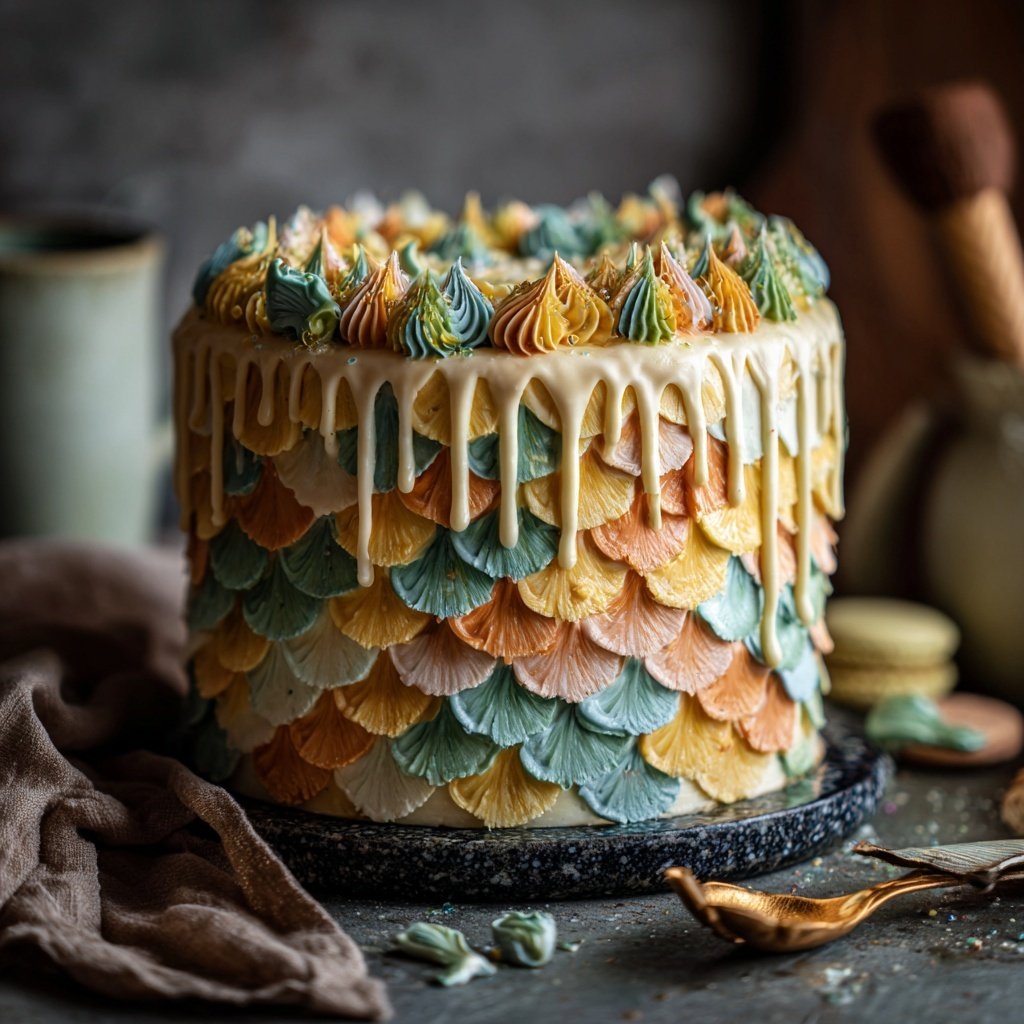
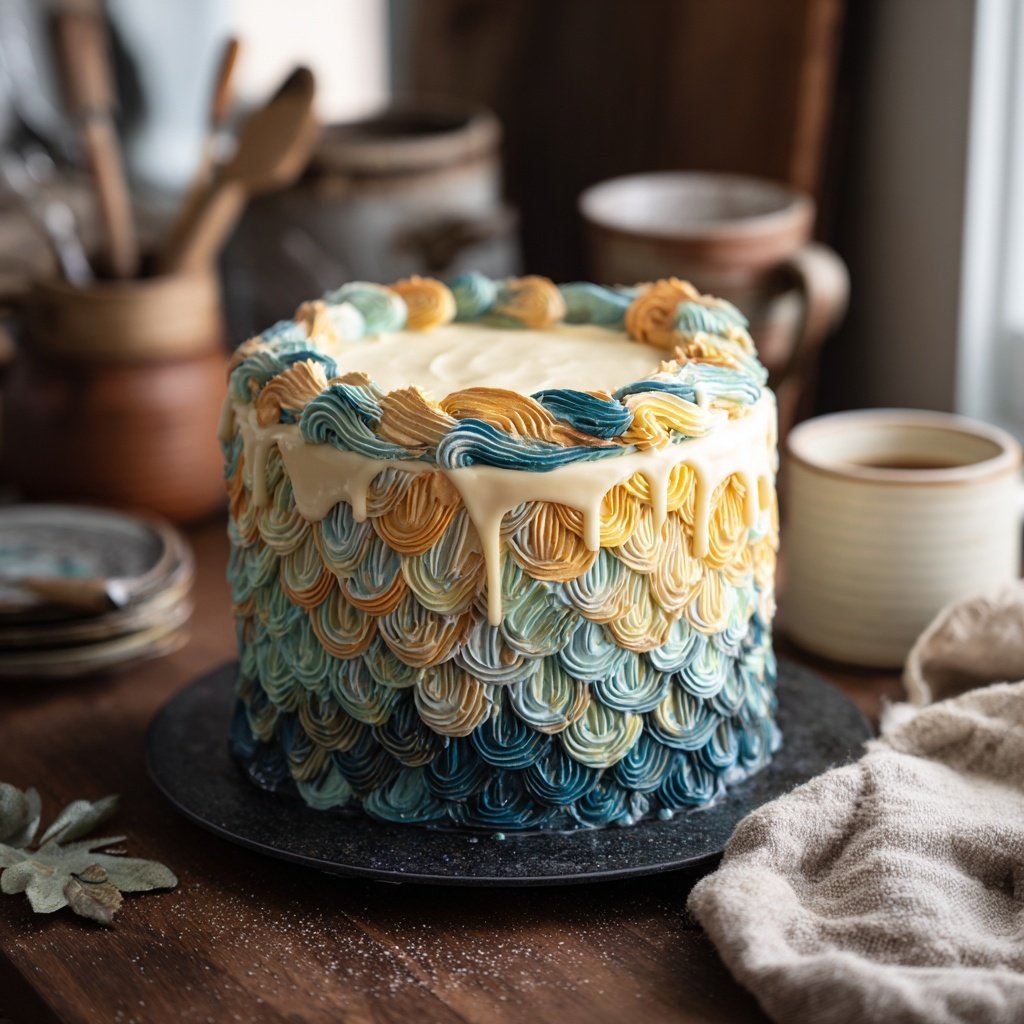
Creating the Classic Buttercream Pisces Cake was a delightful endeavor that exceeded my expectations. I experimented with multiple flavors before settling on a blend of vanilla and almond extracts that perfectly complements the buttercream. What really makes this cake a standout is the way the frosting holds its shape, allowing for beautiful piping work that resembles flowing water.
Throughout the baking process, I learned that letting the layers cool completely before frosting prevents the buttercream from melting. It’s these little tips that transformed this cake from good to unforgettable, ensuring each slice is a masterpiece of taste and artistry.
Why You'll Love This Cake
- Rich and creamy buttercream that melts in your mouth
- Beautifully designed to impress guests and family alike
- Perfect for birthdays, anniversaries, or any special celebration
The Importance of Fresh Ingredients
For the Classic Buttercream Pisces Cake, using fresh, high-quality ingredients is crucial for achieving the best flavor and texture. When selecting butter, opt for a high-fat unsalted variety; this will contribute to the cake's richness, while controlled salt levels allow you to better manage the sweetness of the frosting. Additionally, using fresh eggs not only enhances the cake's lift but also adds a rich flavor that dried or older eggs cannot provide.
When it comes to the milk, whole milk is preferred as it adds creaminess to the batter. If you’re looking for a lighter alternative, consider using buttermilk, which can also enhance the cake's moisture and tenderness. Just remember to adjust the baking powder accordingly, as buttermilk is acidic and would work well with slightly less baking powder.
Buttercream Frosting Techniques
Creating the perfect buttercream frosting requires a bit of technique. When beating the butter, it's important to do so until it reaches a creamy, light texture—this usually takes about 2-3 minutes. Gradually adding the powdered sugar on low speed helps to avoid a sugar cloud in your kitchen and ensures it is well incorporated. If your frosting feels too thick, you can always adjust it with an extra splash of heavy cream until you reach the desired spreadable consistency.
If you're planning to color your buttercream, it's best to divide the frosting into smaller bowls and experiment with gel food coloring rather than liquid. Gel food coloring provides more vibrant colors without altering the frosting's consistency. Once you’ve colored your buttercream, incorporate them gently so you create beautiful swirls rather than a uniform color, resulting in a visually striking cake.
Storing and Serving Suggestions
After assembling and frosting your Classic Buttercream Pisces Cake, it's best stored in an airtight container at room temperature for up to three days. If you anticipate it lasting longer, you can refrigerate it for up to a week, but be aware that refrigeration allows the buttercream to harden slightly. Allow the cake to come back to room temperature before serving to restore its fluffy texture.
For an extra touch, consider serving the cake with a scoop of ice cream or fresh fruit. This adds a delightful contrast to the creamy frosting and complements the cake’s sweetness. For gatherings, slice the cake just before serving to maintain its freshness, and be sure to offer coffee or tea on the side; the rich flavors of the cake beautifully balance with warm beverages.
Ingredients
Gather your ingredients before starting. Having everything on hand makes the process smoother and more enjoyable.
For the Cake
- 2 cups all-purpose flour
- 1 ½ cups granulated sugar
- ½ cup unsalted butter, softened
- 1 cup whole milk
- 3 ½ teaspoons baking powder
- 1 teaspoon vanilla extract
- ½ teaspoon almond extract
- ½ teaspoon salt
- 5 large eggs
For the Buttercream Frosting
- 1 cup unsalted butter, softened
- 4 cups powdered sugar
- 2 teaspoons vanilla extract
- 2 tablespoons heavy cream
- Food coloring (optional)
Make sure to sift your powdered sugar before adding it to the butter for a smoother frosting texture.
Instructions
Before you begin, preheat your oven to 350°F (175°C) and prepare your cake pans with parchment paper.
Make the Cake Batter
In a large bowl, cream together the softened butter and granulated sugar until light and fluffy. Add the eggs one at a time, mixing well after each addition. Stir in the vanilla and almond extracts. In another bowl, combine the flour, baking powder, and salt. Gradually add this dry mixture to the wet ingredients, alternating with milk, and mix until just combined.
Bake the Cake
Divide the batter evenly between the two prepared cake pans. Smooth the tops and bake for 30 minutes, or until a toothpick inserted into the center comes out clean. Allow the cakes to cool in their pans for 10 minutes before transferring to a wire rack to cool completely.
Prepare the Buttercream Frosting
In a mixing bowl, beat the softened butter until creamy. Gradually add the powdered sugar, mixing on low until incorporated. Add the heavy cream and vanilla extract, then beat on high for about 2-3 minutes until fluffy. If desired, divide the frosting and tint with food coloring.
Assemble the Cake
Once the cakes are completely cool, place one layer on a serving plate. Spread a layer of buttercream on top, followed by the second cake layer. Use the remaining buttercream to frost the top and sides of the cake, creating a smooth finish or decorative design.
For a special touch, consider adding edible decorations that match the theme of your occasion!
Pro Tips
- Let the cake layers cool completely before frosting for best results. To enhance the flavor, you can add zest from a lemon or orange into the cake batter.
Common Troubleshooting Tips
If your cake layers domed while baking, it can be a sign of an overly hot oven. To fix this for future bakes, use an oven thermometer to ensure your temperature is accurate. Baking at a lower temperature for a slightly longer time can help achieve even layers. You can also trim the domed tops with a serrated knife for a perfectly flat surface when stacking the cake.
If your buttercream frosting appears grainy after mixing, it likely means the butter wasn't beaten enough or the powdered sugar was added too quickly. Beating the frosting on medium to high speeds after all ingredients are combined can help transform the texture into a silky smooth consistency. Remember, patience pays off when creating luxurious buttercream.
Variations of the Classic Recipe
To add a fun twist, consider incorporating different flavor extracts into the cake batter or frosting. Try swapping some of the vanilla extract with lemon, orange, or coconut extract. This simple change can elevate the traditional flavor profile and surprise your guests with delightful new tastes.
For a textural variation, you might add nuts or chocolate chips into the cake batter before baking. Just ensure to fold them in gently to maintain the lightness of the cake. This not only adds a unique flavor but also creates an inviting surprise in every slice, leaving a lasting impression at any gathering.
Questions About Recipes
→ Can I make this cake in advance?
Yes, the cake can be made and frosted a day in advance. Just store it in an airtight container in the refrigerator.
→ What can I replace if I have a dairy allergy?
You can substitute the butter with a dairy-free margarine and use a non-dairy milk alternative.
→ How can I pipe decorations on the cake?
Make sure the buttercream is at the right consistency; it should be smooth but firm. Use piping bags fitted with different tips to create various designs.
→ Can I freeze this cake?
Yes, you can freeze the unfrosted layers. Wrap them tightly in plastic wrap and then in aluminum foil before storing in the freezer.
Classic Buttercream Pisces Cake
Created by: Ella Townsend
Recipe Type: Desserts Made Easy
Skill Level: Intermediate
Final Quantity: 8 servings
What You'll Need
For the Cake
- 2 cups all-purpose flour
- 1 ½ cups granulated sugar
- ½ cup unsalted butter, softened
- 1 cup whole milk
- 3 ½ teaspoons baking powder
- 1 teaspoon vanilla extract
- ½ teaspoon almond extract
- ½ teaspoon salt
- 5 large eggs
For the Buttercream Frosting
- 1 cup unsalted butter, softened
- 4 cups powdered sugar
- 2 teaspoons vanilla extract
- 2 tablespoons heavy cream
- Food coloring (optional)
How-To Steps
In a large bowl, cream together the softened butter and granulated sugar until light and fluffy. Add the eggs one at a time, mixing well after each addition. Stir in the vanilla and almond extracts. In another bowl, combine the flour, baking powder, and salt. Gradually add this dry mixture to the wet ingredients, alternating with milk, and mix until just combined.
Divide the batter evenly between the two prepared cake pans. Smooth the tops and bake for 30 minutes, or until a toothpick inserted into the center comes out clean. Allow the cakes to cool in their pans for 10 minutes before transferring to a wire rack to cool completely.
In a mixing bowl, beat the softened butter until creamy. Gradually add the powdered sugar, mixing on low until incorporated. Add the heavy cream and vanilla extract, then beat on high for about 2-3 minutes until fluffy. If desired, divide the frosting and tint with food coloring.
Once the cakes are completely cool, place one layer on a serving plate. Spread a layer of buttercream on top, followed by the second cake layer. Use the remaining buttercream to frost the top and sides of the cake, creating a smooth finish or decorative design.
Extra Tips
- Let the cake layers cool completely before frosting for best results. To enhance the flavor, you can add zest from a lemon or orange into the cake batter.
Nutritional Breakdown (Per Serving)
- Calories: 380 kcal
- Total Fat: 26g
- Saturated Fat: 15g
- Cholesterol: 195mg
- Sodium: 85mg
- Total Carbohydrates: 32g
- Dietary Fiber: 3g
- Sugars: 24g
- Protein: 6g